

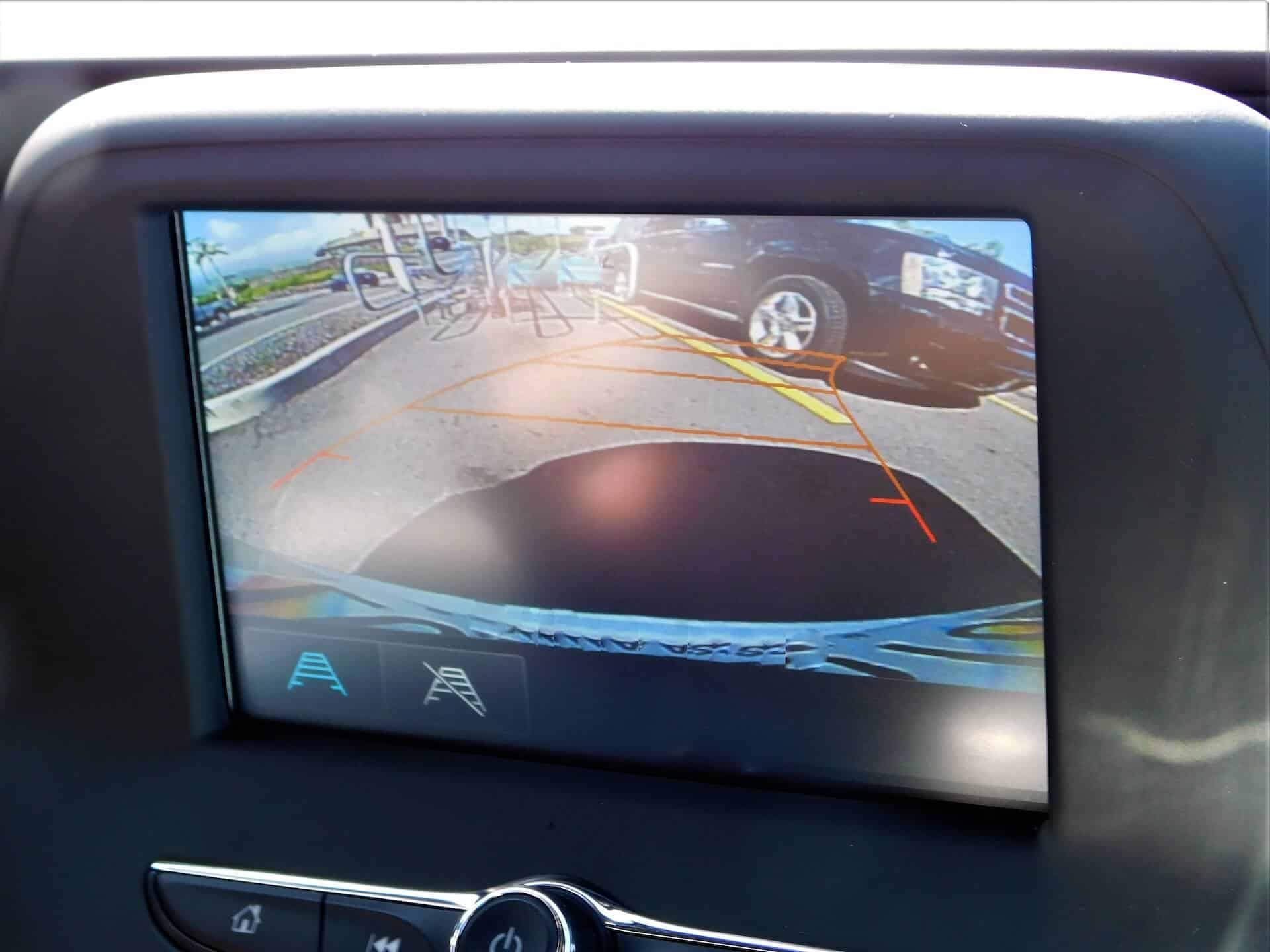
The 360-degree camera system is a revolutionary technology that has changed the way drivers park their vehicles. With this system, drivers can now get a complete view of their vehicle and its surroundings from a bird’s-eye perspective. This means that they can see everything around them, including other vehicles, pedestrians, and obstacles. This view allows drivers to make precise maneuvers when parking their vehicle, ensuring that they do not hit anything or cause any damage. Moreover, some camera systems come with parking assist features that make parking even easier. These features provide visual and audio cues to guide drivers into parking spaces. For example, the camera may show colored lines on the screen to indicate the distance between the vehicle and other objects, while the audio system may beep to alert the driver when they are getting too close to an obstacle. Overall, the 360-degree camera system with parking assist features is an excellent tool for drivers who want to park their vehicles safely and accurately. It provides them with a clear view of their surroundings and helps them avoid accidents and damage to their vehicles.
Pros and Cons of Digital AHD Cameras vs CVBS Analog
The rise of digital technology has transformed the camera industry, leading to a debate between Digital AHD cameras and CVBS analog cameras. As the industry evolves, users are faced with the challenge of choosing the right camera technology to meet their specific needs.
The digital revolution has brought about significant advancements in camera technology, with AHD (Analog High Definition) digital cameras emerging as a viable alternative to traditional CVBS analog cameras. The debate between these two technologies has become increasingly relevant as organizations and individuals seek to optimize their camera systems for various purposes, such as security, surveillance, and multimedia applications.
Digital AHD Cameras: Defining the Technology
AHD (Analog High Definition) is a digital video transmission technology that provides high-quality, high-resolution video signals. Unlike traditional analog cameras, Digital AHD cameras utilize this advanced technology to capture and transmit images with superior quality and clarity.
The key distinction of Digital AHD cameras lies in their ability to leverage the power of digital processing and transmission. By converting analog signals into digital data, AHD cameras can harness the benefits of modern image processing algorithms and seamlessly integrate with digital infrastructure. This digital approach enables AHD cameras to offer enhanced image quality, improved low-light performance, and easier integration with contemporary digital systems.
As the industry continues to evolve, the adoption of Digital AHD cameras has gained momentum, challenging the long-standing dominance of CVBS analog cameras. The promise of improved visual fidelity and enhanced functionality has made Digital AHD cameras an increasingly attractive option for a wide range of applications, from security and surveillance to multimedia and entertainment.
Advantages of Digital AHD Cameras
One of the primary advantages of Digital AHD cameras is their superior image quality. By leveraging the digital nature of the technology, AHD cameras can capture and reprod